
Alcohol, Agency, and Recovery
The Girl on the TrainThis thread explores how alcohol separates Rachel from her actions and how sobriety begins to restore her ability to choose.
increasing Bearing strength in each event
 decreasing
Bearing strength in each eventdecreasingThe First Slippage
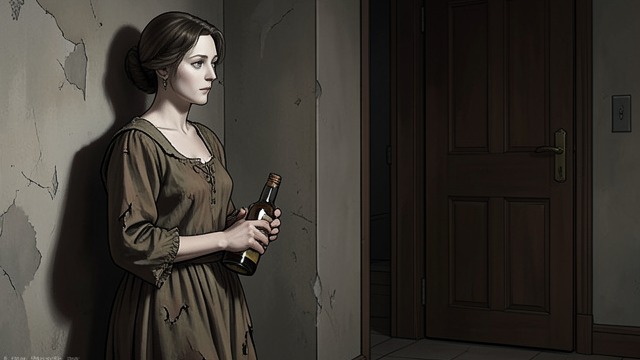
Drinking to Cope
Pain numbed
Rachel drinks as her hopes for motherhood collapse and her marriage becomes strained. Alcohol offers brief relief from sadness and the demands of ordinary life.
Dependency forms
The relief is temporary, and each episode brings shame and further isolation. Rachel’s drinking shifts from a habit into a force that shapes her work, relationships, and self-understanding.
Consequences Disowned
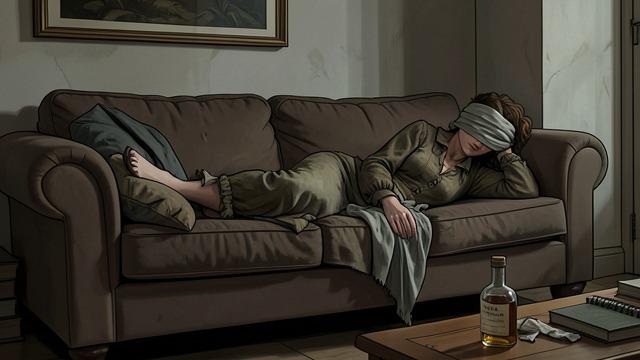
Actions Without Memory
Blackout aftermath
Rachel wakes with injuries and discovers she has called Tom or behaved abusively, but cannot remember doing so. She experiences the intoxicated version of herself as almost separate.
Accountability problem
She apologizes without understanding the event, then repeats the pattern. The distance between action and memory delays responsibility and makes her more susceptible to other people’s accounts.
Drinking During the Search
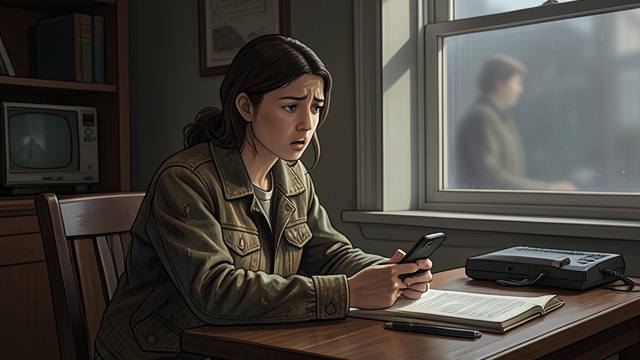
Curiosity and Relapse
A temporary purpose
Rachel sometimes stays sober while pursuing the disappearance, but she drinks after emotional shocks and sends messages she regrets. Her investigation alternates with the familiar cycle of intoxication.
Consequences compound
Alcohol undermines her credibility with police and Scott. She understands that the problem is harming her, yet knowledge alone is not enough to stop it.
Sobriety as Protection
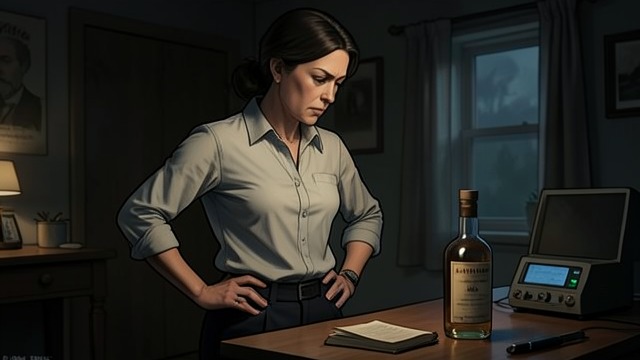
Staying Clear
A practical decision
Rachel recognizes that drinking would leave her vulnerable while Scott is dangerous and her memory matters. Fear becomes an immediate reason to remain clear-headed.
Emerging agency
For once, abstinence is not framed as pleasing Cathy or proving worth. Rachel chooses it because she needs to know what is happening and protect herself.
A Beginning, Not a Cure

Twenty-One Days
Resisting the minibar
Rachel counts three weeks without alcohol and leaves wine and gin untouched at a hotel. She knows exactly how drinking might numb the image of Tom’s death.
Continuing struggle
Her recovery remains fragile and desire persists. The change lies in facing the memory rather than erasing it, and in recognizing that her next choice remains hers.
After infertility and marital strain
Before and during July 2013
13–24 July 2013
August 2013, after Scott’s assault
September 2013
